
Google DeepMind CEO Predicts AI Could End All Diseases Within a Decade
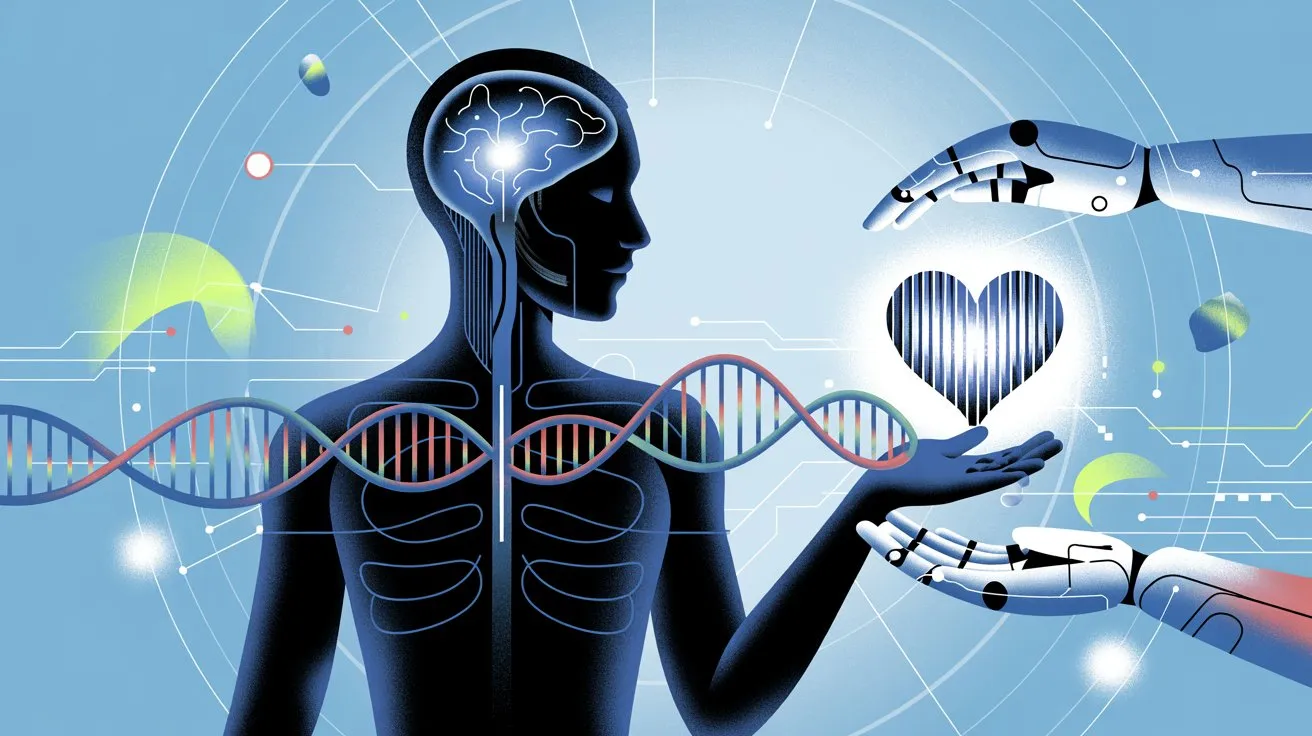
In a bold vision shared during a recent interview on CBS’s 60 Minutes, Demis Hassabis, CEO and co-founder of Google DeepMind, stated that artificial intelligence (AI) could potentially cure all diseases within the next decade. This ambitious claim underscores the transformative potential of AI in revolutionizing healthcare and medical research.
The Vision: AI as a Catalyst for Medical Breakthroughs
Hassabis emphasized that AI could drastically reduce the time and cost associated with drug development. "On average, it takes ten years and billions of dollars to design just one drug. We can maybe reduce that down from years to maybe months or even weeks," he explained. Such acceleration could revolutionize human health, making treatments more accessible and efficient.
He further predicted that in the next five to ten years, AI systems will be capable of generating new scientific hypotheses independently, paving the way for novel approaches to understanding and treating diseases.
AlphaFold: A Milestone in AI-Driven Science
A significant achievement supporting Hassabis’s optimism is DeepMind’s development of AlphaFold, an AI model that accurately predicts protein structures. Proteins are fundamental to biological processes, and understanding their structures is crucial for drug discovery and disease comprehension. AlphaFold has successfully mapped over 200 million protein structures—an endeavor that would have taken humans centuries to accomplish.
This breakthrough earned Hassabis and his colleague John Jumper the 2024 Nobel Prize in Chemistry, highlighting the profound impact of AI on scientific research.
The Road Ahead: Opportunities and Challenges
While the prospects are promising, experts caution that eradicating all diseases remains complex. AI can significantly aid in identifying potential treatments, but clinical trials, regulatory approvals, and real-world testing are essential and time-consuming processes.
Moreover, ethical considerations, data privacy, and the need for global collaboration are critical to ensure AI advancements benefit all of humanity. Hassabis himself underscores the importance of implementing guardrails to align AI development with societal values and prevent misuse.
Conclusion
Demis Hassabis’s vision of AI curing all diseases within a decade is both inspiring and indicative of rapid technological progress. While challenges persist, integrating AI into medical research holds the promise of unprecedented breakthroughs in disease understanding and treatment. Continued investment, ethical oversight, and international cooperation will be pivotal in realizing AI’s full potential in healthcare.